



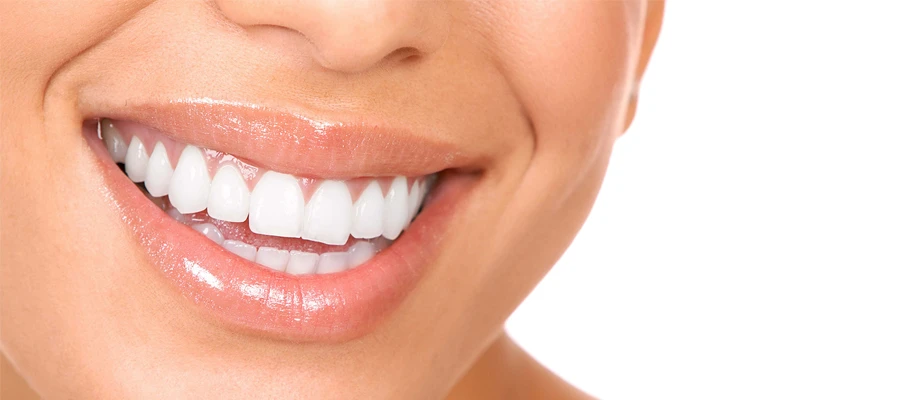
What is Gum Aesthetics?
The basis of this treatment lies in procedures that aim to create a more balanced shape, level, and visible amount of gum tissue when smiling. Personalized Gum Aesthetics aims to achieve a more harmonious smile by regulating the ratio between teeth and gums.
Treatment does not refer to a single method. It may involve reshaping excess gum tissue, correcting asymmetrical levels, or treating gum recession using selected techniques. The technique used varies depending on the cause of the existing problem.
Periodontal health is just as important as aesthetic appearance. If there is active gum disease, the inflammation must first be brought under control. Avoiding unnecessary removal of healthy tissue and preserving the biological structures surrounding the teeth are important for long-term results.
Why is Gum Aesthetics Performed?
Excessive gum visibility, uneven gum levels, or teeth appearing shorter than they are can all necessitate aesthetic adjustments. In suitable individuals, gum aesthetics can be applied to create a more balanced proportion of teeth and gums within a smile.
In some people, the problem is simply due to excess gum tissue. In other cases, the way teeth erupt, lip movements, jaw structure, or gum recession can affect the appearance.
Reducing only the gum tissue without correctly identifying the cause of the treatment may not be appropriate. Especially in cases of excessive gum visibility, lip movement and skeletal structure should also be evaluated.
The goal is not to create the same gum line for every person. The aim should be to achieve a balance that suits the individual, while preserving natural tooth size and facial features.
Who is a suitable candidate for Gum Aesthetics?
Individuals with excessive gum tissue visible when smiling or with noticeable irregularities in gum levels may be evaluated for treatment. When periodontal tissues are healthy, Gum Aesthetics can be applied in some gum problems that cause aesthetic discomfort.
Some teeth may appear shorter than others due to an irregular gum line. In selected cases, gum recession can also be addressed with various periodontal methods.
Candidacy is not determined solely by visual appearance. The bone level surrounding the teeth, gum thickness, and the anatomical structure of the teeth must be examined.
In individuals with active periodontal disease, the disease must first be brought under control. If the underlying cause of gum appearance is the jaw or lip structure, gum surgery alone may not yield the desired result.
How does gum appearance affect a smile?
The amount of gum tissue visible when smiling can directly affect the perceived length of teeth and overall smile proportions. A well-planned Gum Aesthetics treatment can help teeth appear more harmonious by reducing noticeable irregularities in the gum line.
Excess gum tissue can make teeth appear shorter than they actually are. In cases of gum recession, teeth may appear longer, exposing the root surfaces.
Differences in gum levels on the left and right sides can also affect smile symmetry. However, minor natural asymmetries are normal in the human face.
Gum appearance should not be evaluated in isolation. Lip movements, tooth size, jaw structure, and smile line should be examined together.
What should an aesthetically pleasing gum line look like?
A natural-looking gum line should have a distribution that harmonizes with the shape of the teeth and facial features. Therefore, there is no single ideal height or standard line that can be applied to everyone in gum aesthetics planning.
The gum levels around the front teeth are evaluated within their anatomical relationships. The absence of significant level differences between the right and left sides can provide a more balanced appearance.
It is not enough for the gum contour to be simply symmetrical. The width and length ratios of the teeth also affect their appearance. Removing too much tissue can cause teeth to appear excessively long or expose the root surfaces.
For a natural result, a balance must be struck between aesthetic expectations and the biological limits of periodontal tissues.
What Causes Gum Asymmetry?
Differences in gum levels can result from natural anatomical features or various conditions that develop later in life. When the cause is correctly identified, Gum Aesthetics can be planned to reduce the appearance of selected asymmetries.
Teeth erupting in different positions or having more gum tissue in certain areas can lead to differences in gum line. The position of the teeth and bone structure can also affect the gum line.
Periodontal disease and gum recession are among the causes of acquired asymmetries. Previous restorations or periodontal procedures can also alter the appearance.
Treatment should not be considered simply as trimming the high gum tissue. If the asymmetry is caused by bone level or tooth position, different treatments may need to be evaluated.
How are Gum Levels Assessed?
During the assessment, the gum line around each tooth is compared to the adjacent teeth and the opposite side. For the planned Gum Aesthetics, the visible lengths of the teeth, gum contours, and tissue visibility during a smile are examined together.
Periodontal probing can assess the condition of the gingival sulcus and supporting tissues. If necessary, radiographic images can provide additional information about bone levels.
The anatomical boundary between the enamel and the root surface of the tooth, and its relationship with the bone, are important in determining the amount of treatment. Decisions should not be made solely based on the visible gum level.
Photographs or digital recordings can help assess smile symmetry. Treatment margins should be determined while preserving healthy periodontal tissues.
Why are facial and lip structures important in gum aesthetics?
The degree to which gum appearance is noticeable is closely related to the shape of the lips and the movement during a smile. Therefore, when planning gum aesthetics, evaluating only the tissues inside the mouth is insufficient.
How much the upper lip rises during a smile directly affects the amount of visible gum tissue. Individuals with high lip mobility may have more visible tissue despite having healthy gum levels.
Facial length and jaw structure can also alter smile proportions. In cases where significant skeletal causes are present, shaping the gums alone may yield limited results.
The goal of treatment is not to create a standard gum line by disregarding lip and facial features. A natural harmony between all structures should be aimed for.
How is a Gum Aesthetics Pre-Treatment Examination Performed?
The initial assessment examines gum health, tooth position, and the amount of tissue visible during a smile. Before any gum aesthetic treatment is applied, the presence of issues such as periodontal disease, bleeding, tartar, and gum recession is determined.
Gum thickness and the level of bone surrounding the teeth can influence the treatment plan. Periodontal measurements and radiographic images are used when necessary.
Lip movements during smiling and the visible length of the teeth are also evaluated. This allows us to determine whether the excessive gum visibility is due solely to soft tissue or to other anatomical reasons.
If active periodontal disease is present, it should be treated before any aesthetic procedure. The method and extent of intervention can be planned after determining the boundaries of healthy tissues.
Is Gum Aesthetics Painful?
Depending on the type of procedure, the area is usually numbed with local anesthesia, and the aim is to keep pain under control during the procedure. Although a feeling of pressure or touch may be felt after the anesthesia takes effect during Gum Aesthetics, significant pain is not expected.
After the numbness wears off, mild pain, tenderness, or a burning sensation may occur. The degree of discomfort can vary depending on the size of the area treated and whether bone tissue was involved.
Superficial soft tissue shaping and more extensive periodontal surgery do not have the same healing process. Increasingly severe pain or other unusual symptoms require evaluation.
How long does gum aesthetics treatment take?
The procedure time varies depending on the number of teeth to be treated and the method used. Periodontal aesthetics performed on a limited area may take less time than extensive surgery involving multiple teeth and bone level adjustments.
Procedures that only involve shaping soft tissue are generally simpler. If bone contouring is also required, the scope and duration of the surgery may increase.
Local anesthesia, measurements, and post-treatment check-ups are also included in the total appointment time. Therefore, evaluation should not be based solely on the active tissue shaping time.
There is no fixed treatment duration that applies to everyone. The scope of treatment can be determined after an examination.
Can Gum Aesthetics Be Done in a Single Session?
In some individuals, limited gum irregularities can be corrected in a single treatment session. In suitable cases, gum aesthetics can also be performed on multiple teeth in the same appointment.
However, the number of procedures does not depend solely on the extent of the aesthetic change. If active periodontal disease is present, it may first be necessary to bring the disease under control and re-evaluate the tissues.
Treatment and healing may be more extensive in cases requiring bone remodeling or other periodontal surgeries. Gum healing may also be necessary before preparing some aesthetic restorations.
Therefore, completing the surgical procedure in a single session does not mean that all cosmetic treatment will be finished on the same day.
Is bleeding normal after gum aesthetics surgery?
Mild bleeding in the form of oozing may occur in the treated tissues after the procedure. Limited bleeding, especially in the early period after surgical periodontal aesthetics, can be part of the healing process.
Continuously checking the area, avoiding forceful spitting or traumatization, can increase bleeding. Following the post-operative care recommendations is important.
The amount of bleeding can vary depending on the method used and the size of the area treated. Early findings may not be the same for superficial procedures and more extensive periodontal surgeries.
Bleeding that does not stop or intensifies should not be considered normal. In such a case, the area being treated needs to be evaluated.
Will there be swelling after gum aesthetics surgery?
Depending on the extent of the intervention on the tissue, mild swelling may develop. Edema and sensitivity can be seen in the early healing period, especially after more extensive periodontal aesthetic procedures.
Swelling may be less pronounced with only limited soft tissue reshaping. Signs of healing may become more pronounced when bone reshaping or extensive periodontal surgery is performed.
Swelling is expected to subside over time. The rate of healing may vary depending on the individual’s tissue characteristics and the scope of the procedure.
Symptoms such as progressively increasing swelling, worsening pain, fever, bad taste, or discharge may differ from normal healing. Evaluation is important in such cases.
Gum Aesthetics Prices 2026
The cost varies depending on the size of the area to be treated, the method used, and the cause of the gum problem. Therefore, there is no single standard price applicable to everyone for Gum Aesthetics in 2026.
Frequently Asked Questions
How long does it take for gum aesthetics treatment to heal?
The initial recovery time varies depending on the scope of the procedure. While daily comfort can be restored more quickly after periodontal surgery, which involves only limited shaping of the soft tissue, recovery may take longer after extensive periodontal surgery.
Does gum aesthetics hurt?
When local anesthesia is used during the procedure, the aim is to control pain in the treatment area. After the anesthesia wears off, mild pain, sensitivity, or stinging may occur in the areas where periodontal aesthetics were performed.
Are stitches used in gum aesthetics?
The need for sutures depends on the surgical method used and the depth of the procedure. While limited soft tissue shaping in periodontal aesthetics can be completed without sutures, sutures may be required in procedures where flap lifting or bone reshaping is performed.
Will there be pain after laser gum aesthetics treatment?
Mild sensitivity or burning sensation may develop after some soft tissue procedures using lasers. Laser-assisted gum aesthetics can vary from person to person in terms of pain and healing.
Do teeth appear longer after gum trimming?
When excess gum tissue covering the tooth is reduced in a controlled manner, more of the natural tooth surface becomes visible. Therefore, in selected cases after gum aesthetics surgery, teeth may appear visually longer.
Does gum aesthetics damage teeth?
In procedures performed with accurate indications and periodontal measurements, the goal is to preserve the healthy tissues surrounding the teeth. However, bone level, tooth root, and biological tissue boundaries must be considered when planning periodontal aesthetics.