



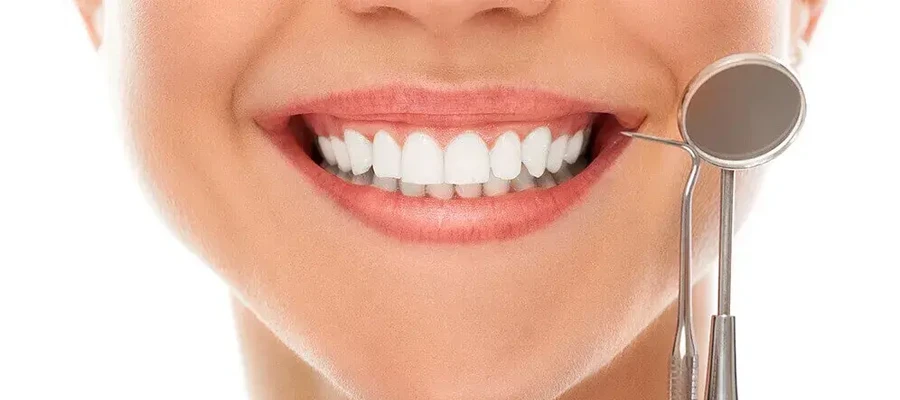
What is Dental Aesthetics?
Procedures aimed at improving the color, shape, size, position, and overall appearance of teeth form the basis of aesthetic dentistry. Personalized dental aesthetics aim not only to achieve whiter teeth but also to improve the visual harmony between the teeth, gums, and face.
The procedure does not refer to a single treatment. Different treatments such as teeth whitening, bonding, porcelain veneers, ceramic restorations, zirconium crowns, and gum reshaping can be included in the treatment plan.
Not everyone needs the same treatments. It’s important to choose options that preserve healthy tooth tissue as much as possible. If there is active decay, gum disease, or other oral health problem, these should be evaluated first.
Why is dental aesthetics performed?
Reducing color, shape, proportion, or alignment problems caused by the appearance of teeth is among the primary goals of aesthetic procedures. Properly planned dental aesthetics can aim to create a more balanced smile while preserving the individual’s natural tooth structure.
Teeth that are discolored, worn, broken, or appear different in shape from other teeth can be aesthetically bothersome. Small gaps between teeth and some minor positional irregularities can also be corrected with selected methods.
Treatment should not be planned solely based on the appearance of the teeth. Occlusion, gum health, and chewing function must also be considered.
Avoiding unnecessary tissue loss is a key priority. Extensive tooth preparation for healthy teeth solely for aesthetic reasons is not always appropriate.
Who are suitable candidates for dental aesthetics?
Individuals who are unhappy with the color, shape, or appearance of their teeth in their smile can be evaluated for aesthetic procedures under appropriate oral hygiene conditions. When preparing a personalized dental aesthetics plan, age, tooth structure, gum health, and bite characteristics are all considered together.
Individuals with discoloration, minor fractures, wear, or limited spacing may benefit from different methods. If there are missing teeth or more extensive structural problems, restorative procedures may also be added to the treatment plan.
In cases of active caries and uncontrolled gum disease, the priority is treating the existing condition. Habits such as teeth clenching and grinding can also affect the durability of restorations.
Not everyone is suitable for porcelain veneers or crowns. Unnecessary tooth preparation should be avoided if a more conservative method is sufficient.
What problems can dental aesthetics correct?
Discoloration, shape differences, minor fractures, and certain surface irregularities in teeth can be improved with aesthetic procedures. When the right method is chosen, dental aesthetics can help regulate the proportions of teeth within a smile and their visual harmony with each other.
Small gaps between teeth can be closed in selected cases using methods such as bonding or veneers. Mild misalignment problems can sometimes be camouflaged with restorative methods, but orthodontic treatment may be more appropriate for significant crowding.
Some irregularities in gum levels can also be considered as part of smile design. For missing teeth, restorative options such as implants or bridges may be necessary.
Not all aesthetic problems can be corrected with the same method. The choice of treatment should depend on the source of the problem and how much healthy tooth tissue can be preserved.
What procedures does Aesthetic Dentistry include?
Aesthetic dentistry is a broad field that considers different preventive and restorative methods together, rather than a single treatment. A dental aesthetics plan, tailored to the individual’s needs, may include whitening, composite bonding, porcelain veneers, and various ceramic restorations.
Zirconium or other ceramic crowns may be considered for teeth that structurally require more extensive restoration. Gum level adjustments can also be used in selected smile designs.
When tooth positioning is the primary concern, orthodontic treatment options can be included in the planning. For missing teeth, methods such as implants or bridges can help achieve aesthetic and functional integrity.
Not every procedure is necessary. Choosing the most conservative and predictable method is important for the long-term preservation of natural tooth tissue.
How is the initial dental examination conducted in aesthetic dentistry?
During the initial assessment, the patient’s expectations are listened to, and the current condition of the teeth, gums, and bite is examined. From the perspective of planned dental aesthetics, color, shape, proportion, alignment, and the number of teeth visible during a smile are all evaluated together.
Cavities, old restorations, and gum problems are checked. Radiographic images or digital records can support the diagnostic evaluation if needed.
Facial and lip structure are also important in smile design. The goal is not just for the teeth to look beautiful individually, but for them to be harmonious with the face during speech and smiling.
After the examination, suitable options can be compared. If a simpler method that preserves healthy tooth tissue is sufficient, extensive veneer treatments do not have to be the first option.
What assessments are performed before dental aesthetics treatment?
Before treatment begins, the structural condition of the teeth, gum health, and bite relationship should be evaluated. In a long-term dental aesthetics plan, focusing solely on visual features such as color and shape is insufficient.
Active caries, infections, and periodontal diseases should be identified. If necessary, these problems are treated before any aesthetic procedures.
If there is a habit of teeth clenching or grinding, the forces to which the restorations will be subjected are also evaluated. The amount of tooth enamel, existing fillings, and previous root canal treatments can also affect the method that can be used.
Photographs, digital scans, and radiographic examinations can contribute to planning when needed. The goal is not just to create an aesthetic change, but to choose a treatment that is compatible with oral health and as protective as possible.
How long does dental aesthetic surgery take?
Treatment duration varies depending on the number and scope of procedures performed. Dental aesthetics involving only whitening or limited bonding may take less time, while laminates or veneers prepared in a laboratory may require multiple appointments.
The process may take longer if additional procedures such as gum treatment, orthodontic adjustment, or implants are required. Therefore, there is no single treatment duration that works for everyone.
Does getting dental cosmetic surgery harm teeth?
Correct indications and preventive planning aim to prevent unnecessary loss of healthy tooth tissue. However, some procedures performed within the scope of Dental Aesthetics may require irreversible tooth preparation.
For example, teeth whitening and full veneers do not involve the same amount of tooth tissue. If a more conservative option is sufficient for healthy teeth, it is important to avoid extensive cutting.
Do teeth need to be cut for dental aesthetics?
Not every aesthetic procedure requires tooth preparation. In whitening and some bonding applications, dental aesthetics can be achieved with minimal intervention or no preparation of the natural tooth tissue.
The amount of tooth preparation required for laminate veneers varies depending on the case. Full crowns, on the other hand, require preparation of larger surfaces of the tooth. Therefore, the procedure should be chosen according to the existing tooth structure.
Are dental aesthetics permanent?
The durability of the results varies depending on the method used, oral hygiene, and individual habits. While applied dental aesthetics can be maintained for a long time, no restoration can be guaranteed to remain unchanged for a lifetime.
Bonding materials can wear down or discolor over time. Veneers and coatings may also require maintenance, repair, or replacement over the years. Natural teeth and gums also continue to change with age.
Dental Aesthetics Prices 2026
Costs vary depending on the type of treatment, the number of teeth to be treated, and the restorative materials used. Therefore, it is not possible to give a single, universally applicable figure for dental aesthetics prices in 2026.
The scope of treatment for someone requiring only professional whitening is not the same as the plan for someone requiring numerous veneers or crowns. In bonding applications, the number of teeth to be treated and the amount of shaping required can affect the cost.
In porcelain veneers or all-ceramic restorations, laboratory stages, digital impression and design processes may be included in the total cost. In zirconia crowns, the number of teeth, restoration structure, and aesthetic requirements can also affect the price.
The need for cavity treatment, root canal treatment, or periodontal care before aesthetic treatment can increase the overall process and cost. A more comprehensive plan is required when implants or other prosthetic applications are needed for missing teeth. Temporary restorations and bite adjustments can also affect the cost.
Price evaluation should not only consider the cost per tooth. The degree to which healthy tooth tissue will be preserved, the fit of the restorations with the bite, and the need for long-term maintenance are also important components of treatment selection.
Can porcelain veneers fall off?
Properly planned and bonded porcelain veneers can remain stable for a long time. However, in veneers used within the scope of dental aesthetics, detachment can occur due to bonding problems, excessive force, or trauma.
Teeth grinding, breaking hard objects with the teeth, and improper bite forces can increase the risk. When the veneer separates, re-bonding or replacement of the restoration may be necessary.
How long does bonding last?
The lifespan of composite bonding applications varies depending on the individual’s bite, hygiene habits, and the area where the restoration is located. As part of protective dental aesthetics, bonding can wear down, break, or change color over time.
One advantage of composite restorations is that some problems can be corrected with repair. Regular check-ups and avoiding breaking hard objects with your front teeth can extend their lifespan.
Can a tooth with a veneer develop cavities?
The veneer material itself does not decay, but the natural tooth tissue underneath and around its edges can develop decay. Therefore, regular oral hygiene remains important even in teeth that have been veneered after dental aesthetics treatment.
Plaque buildup, especially around restoration edges, can pose a risk. Flossing, proper interdental cleaning, and regular checkups help preserve natural tooth tissue.
Is it possible to eat normally after dental aesthetic surgery?
The time it takes to return to normal eating habits can vary depending on the procedure performed. While normal eating can be resumed quickly after a simple dental aesthetic procedure, certain precautions may be necessary for temporary restorations or newly bonded restorations.
If local anesthesia has been administered, care should be taken to avoid biting the lip or cheek while chewing until the numbness wears off. Specific care recommendations for the initial period may vary depending on the treatment received.
Which dental veneer looks the most natural?
Naturalness is not solely dependent on the name of the material used. In a successful dental aesthetic procedure, the light transmittance of the ceramic, color transitions, surface texture, and its harmony with the surrounding natural teeth are all important factors.
Highly aesthetic ceramics like lithium disilicate can provide natural results in the anterior region. Modern zirconia options have also improved aesthetically. The most suitable material should be determined according to the structural and aesthetic needs of the tooth.
Which looks more natural: laminate veneers or zirconium crowns?
Porcelain veneers, especially in suitable front teeth, can provide high light transmittance, mimicking the appearance of natural enamel. However, in the field of dental aesthetics, zirconium restorations can also appear natural, depending on the properties of the material used and the application technique.
Veneers and zirconium crowns do not have the same indications. The preservation of healthy tooth tissue, the underlying tooth color, and the required structural durability must be considered together when choosing a material.
Which color looks more natural in dental aesthetics?
The choice of natural color varies depending on a person’s skin tone, eyes, age, and the characteristics of the surrounding teeth. During planned dental aesthetics, instead of a uniform and excessively opaque white, color, translucency, and surface characteristics that are harmonious with the face should be evaluated.
Natural teeth are not entirely a single color. Small variations in color and light transmission from the neck to the incisal edge can create a more natural appearance.
Do teeth turn yellow after dental aesthetic surgery?
The degree of discoloration depends on the material used and the individual’s habits. After dental aesthetics treatment, natural teeth and composite restorations can be affected over time by coffee, tea, tobacco use, or other sources of discoloration.
Ceramic restorations may be more resistant to discoloration, but the color of the surrounding natural teeth can still change. Additionally, plaque buildup around the restoration edges can affect the appearance. Regular cleaning and oral hygiene help maintain color consistency.